
Blog
2 March 2026
Caring for Aging Parents Checklist: A Complete Australian Guide
Caring for an ageing parent is one of life’s most significant responsibilities – and one that many Australians take on without a clear roadmap. Between managing health appointments, navigating government services, and simply keeping up with daily life, it can feel overwhelming at times.
This checklist is designed to help families feel more organised, more confident, and less alone in the process. It covers the key areas of care, with practical steps you can start working through at your own pace.
1. Health and Medical Care
Staying on top of your parent’s health is one of the most important parts of the caring role.
- Schedule regular check-ups – GP visits, dental, vision, and hearing assessments all matter. A simple calendar or shared family app can help keep track.
- Monitor chronic conditions – Keeping a simple daily log of blood pressure, glucose levels, or mobility can help identify changes early and give your GP valuable information.
- Prepare for emergencies – Keep a folder with key medical records, emergency contacts, and your parent’s Medicare details. A personal alarm or medical alert device may also be worth considering.
2. Home Safety and Comfort
Falls are one of the leading causes of hospitalisation for older Australians, and many are preventable with a few straightforward changes.
- Reduce fall hazards – Remove loose rugs, improve lighting in hallways and bathrooms, and install grab rails near steps, toilets, and showers. Non-slip mats are a simple but effective measure.
- Optimise living spaces – Keep frequently used items within easy reach. For those with memory concerns, labelling rooms or drawers can help maintain independence.
- Consider home modifications – Ramps, raised toilet seats, and hand-held showers can make a meaningful difference to daily safety. An occupational therapist can assess the home and recommend modifications. Some costs may be covered through the Support at Home program’s Assistive Technology and Home Modifications (AT-HM) scheme.
- Check emergency preparedness – Ensure smoke alarms are working, fire exits are clear, and your parent knows how to call for help.
3. Daily Living Support
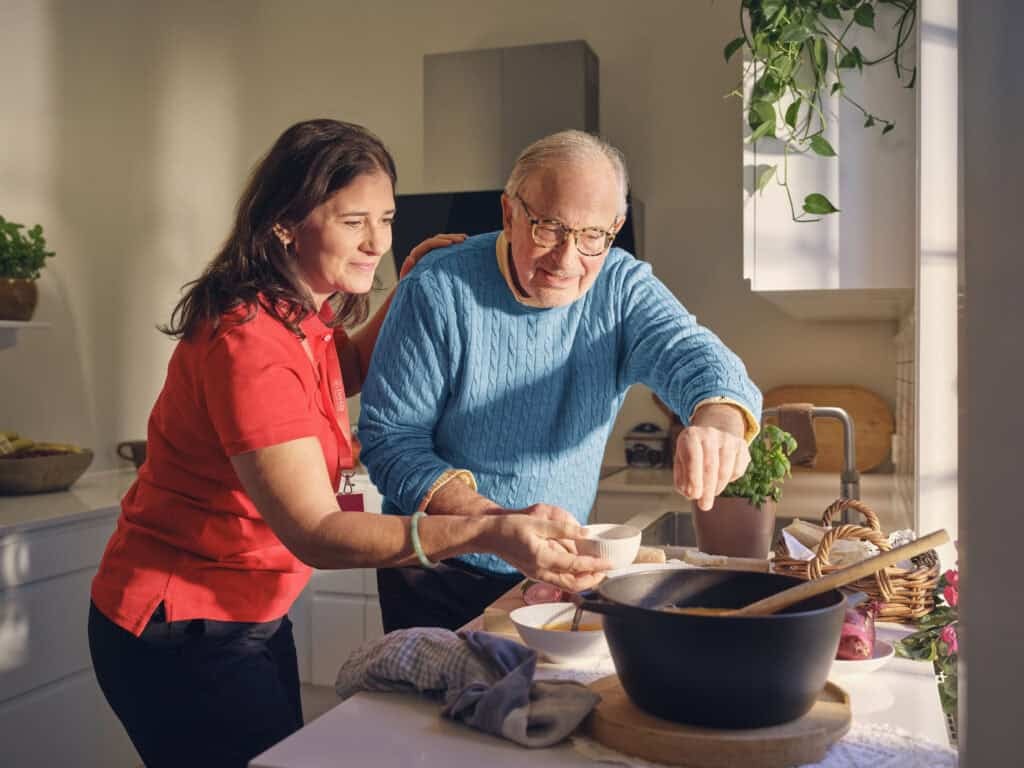
The goal is to support independence, not replace it. Assisting with daily tasks works best when it’s done alongside your parent rather than for them.
- Personal care – Help with grooming, dressing, and bathing only where needed, and always with dignity at the forefront. Dovida’s home help care service and personal care support are designed around each person’s individual routine and preferences.
- Nutrition and hydration – A balanced diet and adequate fluid intake matter more than many families realise. Meal preparation support, grocery delivery, or services like Meals on Wheels can help maintain good nutrition.
- Household tasks – Cleaning, laundry, and home maintenance can be shared among family members or supplemented with professional support.
- Mobility and transport – Walking aids, scooters, and community transport programs can help your parent stay active and connected. Dovida’s elderly transport services support older people to attend appointments, outings, and social activities safely.
4. Emotional and Social Wellbeing
Physical health and emotional health are deeply connected. Social isolation is a significant risk for older people, and it’s worth giving this area as much attention as any other.
- Encourage regular social contact – Whether in person, by phone, or via video call, consistent connection matters. Community programmes, clubs, and interest groups can provide meaningful social engagement.
- Support cognitive stimulation – Puzzles, reading, memory games, and gentle physical activity all contribute to cognitive health.
- Watch for signs of low mood – Changes in appetite, withdrawal, or persistent irritability may signal depression or anxiety. A GP can help assess and refer to appropriate support. Dovida’s companion care provides consistent, caring company for older people who benefit from regular social interaction.
5. Financial, Legal, and Future Planning
This area is often left too late. Having these conversations and documents in place early reduces stress for everyone.
- Legal arrangements – Ensure an Enduring Power of Attorney and will are in place and reviewed periodically. A solicitor experienced in elder law can help navigate these documents.
- Advance care planning – Document medical preferences and end-of-life wishes, and discuss them openly with family and the GP. Dovida’s palliative care team can also provide guidance and support as part of this process.
- Financial planning – Budget for ongoing care costs, home modifications, and potential future needs. Explore government entitlements including the Carer Payment and Carer Allowance via Services Australia.
6. Government and Community Support
Australia has several programs designed to reduce the burden on families – but navigating them takes time.
- My Aged Care is the starting point for government-funded aged care. Call 1800 200 422 or visit myagedcare.gov.au to request an assessment. Since November 2025, the Support at Home program has replaced Home Care Packages, offering eight funding classifications to match a range of care needs.
- Carer Gateway (carers.gov.au) offers free counselling, coaching, and respite support for unpaid carers.
- Community services – Meals on Wheels, local volunteer transport, and senior activity programmes can complement professional care and reduce isolation.
Dovida’s team is experienced in helping families understand their options and navigate the process of accessing government-funded support.
7. Caring for Yourself
Sustainable care starts with the carer. According to Carers Australia (2024-2025), nearly 9 in 10 carers report physical or mental exhaustion – a reminder that caregiver wellbeing is not optional.
- Recognise the signs of burnout early – fatigue, irritability, and a sense of dread are signals worth taking seriously.
- Schedule regular breaks – Dovida’s in-home respite care offers planned, reliable relief so carers can rest and recharge.
- Maintain your own connections – Exercise, hobbies, and social time are not luxuries. They’re what make long-term caring sustainable.
How Dovida’s Circle of Care Can Help
Dovida’s Circle of Care brings together the older person, their family, professional caregivers, and health professionals into a coordinated support network. Whether your family needs a few hours of assistance each week, in-home dementia care, 24-hour home care, or help navigating the aged care system, Dovida’s team can work with you to find an arrangement that fits.
Professional support is there when you need it – not to replace the care families give, but to make it more manageable.
📞 1300 008 018 ✉️ care@dovida.com.au 🌐 dovida.com.au