
Blog
25 February 2026
Home Care for Stroke Patients
When someone you care about experiences a stroke, life can change in an instant. The effects of stroke often reach beyond the stroke survivor themselves, touching every member of the family. The road to recovery can feel overwhelming, uncertain, and exhausting, particularly when you’re suddenly navigating new challenges at home.
We understand that accepting support doesn’t mean losing independence or control. Home care for stroke patients is about creating the right environment for recovery whilst providing families with the peace of mind and practical help they need.
At Dovida, we’re a national provider of person-centred trusted home care services with extensive experience supporting people with complex needs, including stroke recovery. Our approach centres on working alongside you, respecting your loved one’s dignity, and supporting their goals for recovery and independence.
Whether you’ve just returned from hospital, are finding daily tasks increasingly difficult, or simply need support to prevent carer burnout, we’re here to help.
Why Home Care is Important After a Stroke
Stroke Recovery Doesn’t End at Hospital Discharge
Recovery from stroke is an ongoing journey that continues long after leaving hospital or rehabilitation. Every stroke is different, and the recovery process can be unpredictable. New challenges often emerge once someone is home, from managing daily activities to adjusting emotionally to changes in ability or independence.
The transition from hospital to home can be more difficult than families expect. Suddenly, the responsibility for care shifts from medical staff to family members, and the absence of constant supervision can heighten anxiety for everyone involved.
The Impact of Stroke Goes Beyond Physical Changes
Stroke affects each person differently, but the impact often extends well beyond physical mobility. Some people experience weakness or paralysis on one side of their body, making everyday tasks like dressing, showering, or walking more challenging. Communication difficulties, including trouble speaking or understanding language, can be frustrating and isolating for stroke survivors and their family members.
Many stroke survivors also experience cognitive and emotional changes such as memory difficulties, fatigue, mood swings, frustration, or withdrawal. These changes can be confronting for families who feel unprepared to manage them. It’s important to understand that these responses are common, not a failure on anyone’s part, and that consistent, patient support at home can make a significant difference to emotional wellbeing and confidence.
Home Can Support Recovery When the Right Care is in Place
For many stroke survivors, home is the most supportive environment for healing. Familiar surroundings, established routines, and the comfort of being in their own space can reduce stress and support emotional wellbeing. With the right level of care in place, home becomes a setting where dignity, independence, and gradual progress can flourish.
Home care services for stroke patients help bridge the gap between therapy sessions, maintain momentum in the recovery process, and provide families with the support they need to care for their loved one without compromising their own health and wellbeing.
When Home Care is Most Needed
After Returning Home from Hospital or Rehabilitation
The period immediately following hospital discharge can be challenging. Families often feel an increased sense of responsibility alongside concerns about safety, particularly if the home hasn’t been adapted for new physical limitations. There may be gaps between allied health appointments with physiotherapists, occupational therapists, or speech therapists, leaving families uncertain about what to do between visits.
Many stroke survivors and their families worry about being alone or unsupervised during this vulnerable time. After hospital home care provides reassurance, structure, and confidence during this critical transition, helping stroke survivors settle back into their homes safely.
When Daily Tasks Become Difficult or Unsafe
Stroke can make routine activities suddenly feel overwhelming or unsafe. Personal care tasks such as showering and toileting carry increased risk, particularly if balance or mobility is affected. Dressing can become difficult with one-sided weakness, and standing, walking, or transferring between a bed and chair may increase the risk of falls.
When someone loses confidence in performing basic tasks, their quality of life can be significantly impacted. In-home care for stroke patients provides support with these daily activities whilst prioritising safety, dignity, and the individual’s comfort.
When Family Carers Feel Overwhelmed
Caring for a loved one after stroke can be physically exhausting and emotionally draining. Many family carers experience guilt about “not coping” or feelings of resentment, even though they’re doing their absolute best. Balancing care responsibilities with work, raising children, or managing other commitments can lead to burnout.
It’s important to recognise the early warning signs of carer fatigue and understand that seeking support is not a failure – it’s an essential step in protecting both the carer and the stroke survivor. In-home respite care provides family carers with the opportunity to rest, recharge, and maintain their own health and wellbeing.
How Dovida Supports Stroke Recovery at Home
Our caregivers are trained to provide comprehensive, person-centred support that adapts to each individual’s needs and goals. We work alongside stroke survivors and their families to create a care plan that supports recovery, independence, and wellbeing.
Personal Care with Dignity and Respect
We provide compassionate in-home personal care including support with showering, grooming, dressing, and toileting. Our caregivers always respect privacy, personal preferences, and dignity whilst ensuring safety during these essential daily activities.
Mobility Support and Falls Prevention
Stroke can affect balance, coordination, and strength, increasing the risk of falls. Our caregivers provide support with transfers, supervised movement around the home, and accompaniment during walking. We help stroke survivors maintain their confidence whilst prioritising safety.
Daily Living and Household Support
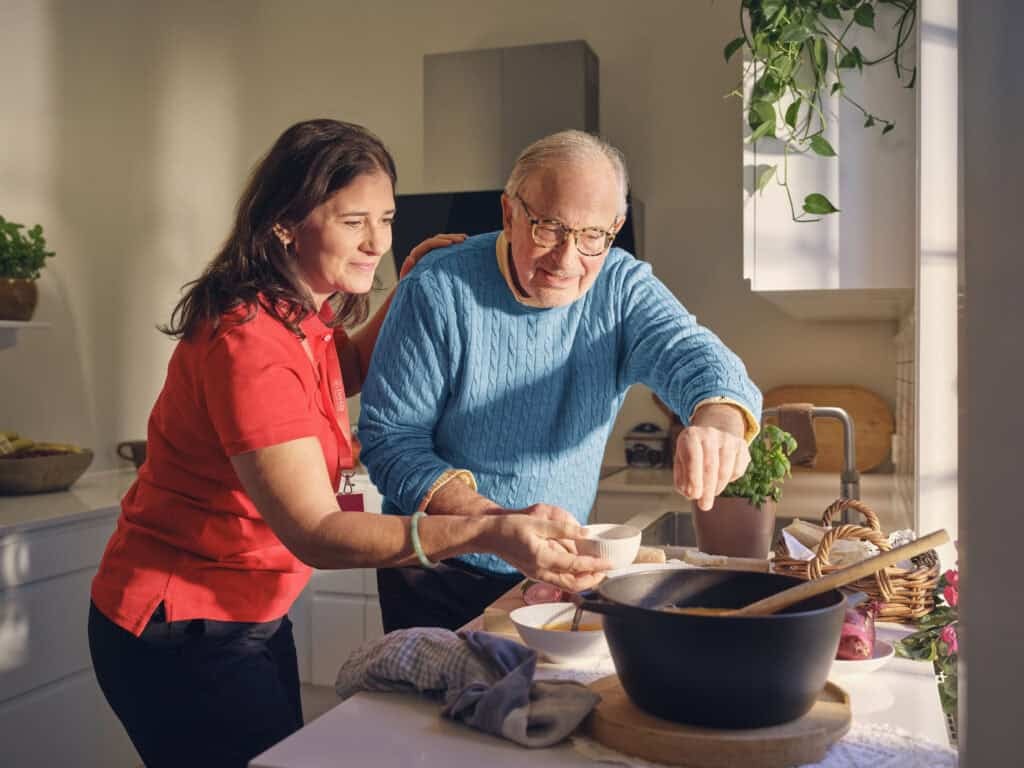
We understand that recovery takes energy. Our caregivers can support with meal preparation, light housekeeping, laundry, and maintaining daily routines. This practical support reduces pressure on families and helps create a safe, comfortable home environment.
Medication Prompting and Wellbeing Monitoring
Our caregivers can provide medication reminders to support consistent routines and adherence to treatment plans. They also observe changes in condition or wellbeing and communicate concerns to family members or care professionals as appropriate.
Companionship and Emotional Support
Isolation and loneliness can hinder recovery. Our caregivers provide genuine companionship, conversation, and encouragement. We support stroke survivors in maintaining their confidence, motivation, and connection to the world around them.
Transport and Appointments
We provide safe and reliable elderly transportation services to medical appointments, rehabilitation sessions, social activities, and community outings. Maintaining connections beyond the home supports both physical recovery and emotional wellbeing.
Respite and Shared Care for Families
Whether you need planned breaks, ongoing support during peak times, or short-term relief during a particularly demanding phase of recovery, we provide flexible respite care. We can arrange everything from a few hours per week to overnight care or 24-hour home care depending on your needs.
Dovida’s Circle of Care
At the heart of our approach is our Circle of Care philosophy, which places the stroke survivor at the centre of every decision we make. This means that your loved one remains in control of their care journey, with support built around their preferences, goals, and abilities.
We create personalised care plans in close collaboration with stroke survivors and their families. Your input is essential – you know your loved one best, and we work alongside you to understand their routines, preferences, values, and what matters most to them.
Where appropriate, we also collaborate with healthcare professionals including general practitioners, physiotherapists, occupational therapists, speech therapists, social workers, and other allied health team members. This coordinated approach ensures everyone is working together towards the same goals.
We prioritise consistency and continuity of caregivers wherever possible. Seeing the same familiar faces helps build trust, reduces anxiety, and creates more effective care sessions. For stroke survivors who may be experiencing communication difficulties or cognitive changes, consistency matters even more.
Supporting Independence and Dignity at Home
Many people worry that accepting care means giving up independence or losing control over their own life. We see it differently. Home care for stroke patients is about enabling abilities, not replacing them. It’s about supporting someone to do what they can whilst providing assistance where it’s needed most.
We respect routines, choices, identity, and personal dignity in everything we do. Our approach focuses on what people can achieve and want to work towards, not what they cannot do. We provide information and options to support informed decision-making, and we encourage confidence-building and gradual progress throughout the recovery process.
Recovery is not linear, and some days will be harder than others. Our caregivers understand this and adapt their support accordingly, always with patience, respect, and compassion.
Funding and Getting Started
We understand that navigating funding options can feel confusing and stressful, particularly when you’re already dealing with the challenges of stroke recovery. There are different support pathways available depending on age, circumstances, and individual needs.
For people over 65, the Australian Government’s Support at Home program may provide subsidised aged care services. For stroke survivors under 65, the National Disability Insurance Scheme (NDIS) may offer funding for disability supports.
Private home care is also available and can start immediately with no income or means testing. Many families use private care whilst waiting for government funding approval, to top up existing services, or as an alternative to government-subsidised programs.
Dovida can help guide you through your options and work with whichever funding arrangement suits your situation. We welcome obligation-free conversations to discuss what support might look like for you and your family.
Talk to Dovida About Stroke Care at Home
You don’t need to manage stroke recovery alone. Whether you’re feeling overwhelmed, uncertain about the next steps, or simply want to explore what support might be available, we’re here to have a conversation with no pressure or commitment.
We provide home care services for stroke patients across Australia, with local offices staffed by people who understand their communities and have strong ties to the areas they serve. Our national experience and person-centred approach mean you can trust us to provide consistent, high-quality support that adapts to your loved one’s changing needs.
When you’re ready, reach out to us. We’ll listen, answer your questions, and work alongside you to create a care plan that supports your loved one’s recovery and your family’s wellbeing.
Contact Us – Ready to Get Started?
Call us today on 1300 008 018 or email care@dovida.com.au to start a conversation about stroke care at home.
Frequently Asked Questions
How quickly can home care start?
Private home care can start immediately, often within days of your initial contact. For government-subsidised services, timeframes may vary depending on assessments and funding approvals. We can guide you through the process and provide immediate private care whilst you wait if needed.
What does a stroke carer help with day to day?
Stroke carers can support with personal care (showering, dressing, grooming), mobility and transfers, meal preparation, medication reminders, companionship, transport to appointments, light housekeeping, and overall safety monitoring. The specific support provided is tailored to each person’s needs and goals.
Is home care safe after a stroke?
Yes. Our caregivers are trained in supporting people with mobility challenges, falls prevention, and the specific needs that arise during stroke recovery. We conduct thorough assessments, create personalised care plans, and adapt support as recovery progresses. Safety is always our priority alongside dignity and independence.
Can carers support therapy routines?
While our caregivers are not replacement therapists, they can support and encourage the routines and exercises recommended by physiotherapists, occupational therapists, or speech therapists. This helps maintain momentum between professional therapy sessions and supports ongoing progress.
Can family carers get respite?
Absolutely. Respite care is an essential part of supporting family wellbeing. We provide flexible respite options from a few hours per week to overnight or longer-term support, giving family carers the opportunity to rest, attend to other responsibilities, or simply take a break knowing their loved one is in safe, capable hands.
Is funding available and can Dovida help with this?
Funding may be available through the Support at Home program for people over 65, or through the NDIS for stroke survivors under 65. Private funding is also an option. We can help you understand what may be available and guide you through the application process. We work with all funding types and welcome privately funded clients.
Will we have the same caregiver?
Wherever possible, we match stroke survivors with consistent caregivers. We understand that familiar faces help build trust, reduce anxiety, and create more effective care relationships, particularly when communication or cognitive changes are present. Consistency is a priority in our approach to stroke care.
What if communication or memory is affected?
Our caregivers are trained to work respectfully with people experiencing communication difficulties, aphasia, or memory challenges. We take time to understand individual communication styles and preferences, use patience and clear communication techniques, and work closely with families to ensure care remains person-centred and effective.